
Concrete Cleaning vs. Sealing in Burlington, NC: Which Comes First (and Why)?
Learn why concrete cleaning comes before sealing and how proper preparation helps Burlington driveways and patios stay protected.
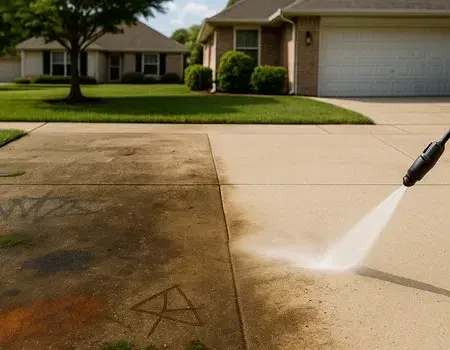
If you want your driveway, sidewalk, or patio to look great and last longer, order matters. The short answer is simple: always clean before sealing. In Burlington, NC, our climate brings spring pollen, summer humidity, and the occasional winter freeze. That mix makes the clean-then-seal order even more important for a finish that looks even and stands up to weather and traffic.
At Super Clean Power Washing LLC, we help homeowners choose the right plan for pressure washing services in Burlington, NC, so you get lasting curb appeal without guesswork. If your surface has dark algae, reddish clay stains, or tire marks that keep coming back, a professional cleaning is your first step. For deep restoration, explore our concrete cleaning service to prep the surface the right way.
What Comes First: Cleaning Or Sealing In Burlington, NC?
Sealing is only as good as the surface underneath. Cleaning removes grime, algae, leaf tannins, and the fine dust that keeps sealer from bonding. Skipping it can trap stains under a shiny layer or cause peeling later. Burlington neighborhoods like West Burlington, Brookwood, and areas near Elon see shade and moisture that feed algae. Cleaning clears that growth so the sealer can lock in a clean, even look.
- Cleaning first improves adhesion so the sealer cures evenly and lasts longer.
- It reveals hairline cracks and problem spots that would otherwise get hidden.
- It evens out the color so sealed concrete looks consistent from curb to garage.
Think of cleaning as resetting the surface to neutral. Once the pores are open and residue is gone, a high-quality sealer can do its job protecting against water, UV, and stains from vehicles or backyard cookouts.
Sealing After Pressure Washing: The Timeline That Works
Homeowners often ask about the sealing-after-pressure-washing timeline. Moisture is the deciding factor. Concrete looks dry long before it is dry inside the pores. In central North Carolina, humidity and shade can slow that drying, especially after an afternoon storm rolls across Alamance County.
As a general rule, let concrete dry 24 to 48 hours before sealing. Warmer, breezier, low-humidity days trend toward the shorter end. Shaded areas, cool evenings, or high humidity need the longer end. Your technician will schedule sealing when the forecast supports a stable cure so the finish stays clear and durable.
If you're refreshing a patio wrapped with trees near Lake Cammack or a shady sidewalk off South Church Street, plan for extra dry time. Small timing choices like this help prevent whitening, hazing, or early wear.
How Long Does Concrete Sealer Last?
Many homeowners search for “how long does concrete sealer last” because they want to plan ahead. Lifespan depends on traffic, sun exposure, product type, and maintenance. Driveways that see daily turning tires and summer sun wear faster than shaded patios.
- Light-traffic patios: often several years between professional reapplications.
- Busy driveways: expect more frequent re-seals due to heat, UV, and tire abrasion.
- Surfaces exposed to de-icing salts or fertilizer: re-sealing tends to be sooner.
You'll know it is time when water stops beading, oil wipes are harder, or color turns flat and chalky. If your last project was a few seasons ago, a quick assessment by Super Clean Power Washing LLC can confirm the best timing to keep your surface protected and easy to clean.
Why The Order Matters For Performance And Curb Appeal
Cleaning first removes the film that blocks sealer penetration. Sealing first or sealing over a lightly rinsed surface can lock in contaminants. That often leads to blotchy dark patches where moisture gets trapped. Over time, those spots turn into slippery areas and premature wear.
When the surface is prepped right, the sealer spreads evenly and bonds within the pores, not just on top. That bond helps resist oil drips on driveways in Glen Raven or leaf stains under backyard oaks. It also cuts down on the green algae bloom that loves our warm, wet summers.
Choosing The Right Sealer For Burlington Weather
The right chemistry matters in a place that sees hot sun, heavy rain, and the odd freeze. A breathable, UV-stable sealer helps moisture escape while still resisting stains. Penetrating sealers reduce water absorption on plain gray concrete. Film-forming sealers can add a richer look when appropriate.
Choose a breathable, UV-stable sealer to handle summer heat and occasional winter swings. Pairing the correct product with a properly cleaned and dried window gives you a smooth finish that stays clear and resists tire marks.
Seasonal Timing In Burlington, NC
In Burlington, many homeowners aim for spring or early fall. Spring cleaning clears pollen and sets up patios for the outdoor season. Early fall offers warm days and cooler nights without constant thunderstorms. Your technician will avoid sealing right before a rain system or during an extended cold snap.
Avoid sealing in direct midday heat in July when surfaces can get hot enough to flash-dry the top layer. Morning or late afternoon windows often provide a calmer, more predictable cure.
Plan for a clear, dry 48-hour window when possible. In Alamance County, morning dew and pop-up storms can slow drying you cannot see. A patient schedule protects your finish and reduces the chance of hazing.
Answers To The Big Two: Order And Longevity
Let's connect the two questions homeowners ask most. First, the cleaning vs. sealing order decides how well the sealer bonds. Second, how long the sealer lasts depends on that bond plus weather, traffic, and care. Start strong with a thorough professional prep, then protect it with the right product and conditions.
If you want to explore your options and see service details side by side, you can browse our pressure washing company page for the full service lineup.
What To Expect From A Professional Visit
On service day, your technician will evaluate shade, drainage, and traffic patterns. They will plan a targeted cleaning for algae, automotive residue, and clay stains common around Burlington. After cleaning, we allow the surface to dry fully, then return to seal within the recommended window. This approach aligns with the sealing-after-pressure-washing timeline that keeps your finish clear and durable.
Our teams also watch for splash zones near downspouts, sprinkler overspray, and edges that hold moisture longer. These small details help prevent uneven cure and extend the life of the sealer.
Care And Expectations After Sealing
Once sealed, your concrete becomes easier to maintain. Most dust and leaves rinse off with a light garden rinse between professional cleanings. Avoid piling mulch, wet leaves, or stored items that trap moisture against the surface for long periods. Treat small oil spots sooner rather than later to keep the finish looking even.
Let the surface cure undisturbed for the time your technician recommends. That usually means keeping vehicles off a driveway for a short period and avoiding outdoor furniture drag marks. Good early care supports peak performance for seasons to come.
Signs You May Be Due For Re-Sealing
Wondering when to call for a checkup instead of waiting for stains to set in? Watch for these simple signals around your Burlington home:
- Water no longer beads on the surface after a light rinse.
- Dark tire marks or grill grease linger after a professional cleaning.
- Color looks flat or chalky in the sunniest area of the driveway.
- Salt, fertilizer, or leaf stains show quicker than they used to.
Any one of these signs means the protective layer is working harder than it should. A timely re-seal keeps small issues from turning into permanent stains.
Ready To Protect Your Concrete The Right Way?
Start with a clean surface, then seal for long-term protection. If your driveway or patio needs a reset after a long Burlington summer, look into our concrete sealing service and let Super Clean Power Washing LLC handle the timing and finish. Call us today at 704-796-9005 to schedule your evaluation.